

“Relationship is a process of self–revelation. Relationship is the mirror in which you discover yourself. To be is to be related.”
Bruce lee
One of the things that helps me feel more connected to the wild beings around me is learning more about a particular individual or species. Interestingly, it’s also a powerful way to tap more deeply into the wild wisdom within me.
Sometimes I learn about the animals or plants I’m most drawn to. Sometimes I study the ones who are teaching me the most. Other times, however, the living beings I learn about choose me.
Five years ago, as my husband and I were making our umpteenth trip carrying furniture and boxes from the moving van into our new house, we noticed some yellow-and-black striped insects flying in and out of a hole in the ground directly in our path. Shocked, we realized that we’d been cluelessly walking back and forth over a very active, very obvious yellowjackets’ nest.
For those who don’t know, yellowjackets are wasps known for being aggressive, swarming, and causing painful wounds with multiple stings. And yet we’d walked right over their nest dozens of times and didn’t get stung once.

The experience stayed with me, and when, one spring a few years later, I saw that a yellowjacket queen had chosen a spot just a few feet off the main path in our backyard for her nest, I didn’t panic. Instead, I observed.
Every day I got to watch the worker wasps come and go, flying strong and straight out of the nest as if driven by an unwavering purpose. I saw them scrape small bits of wood off trees and furniture to use in the construction of the thin walls of their home (a process rumored to have inspired the Chinese court official who invented the modern papermaking process almost two thousand years ago). In the mornings, in front of the rising sun, the yellowjackets looked like golden, glowing orbs of pure intention. In the evenings, they kept coming and going on their missions until the last light had leached from the day, long after the birds were roosting and other animals had disappeared for the night.
Most of all, I noticed that after hundreds of trips up and down our path right next to their nest, I hadn’t been stung once.
Eventually, I did some research and found that yellowjackets are good pollinators who balance ecosystems by eating large amounts of insects who could otherwise cause widespread damage to crops and forests. They’re generally only aggressive when they feel their nests are under attack—racoons, after all, can wipe out all their young—an entire generation—in just one night. And even more fascinating, their queens face incredible odds, earning their title with amazing amounts of vision, resilience, and fortitude.
The harrowing journey of a queen yellowjacket begins in the late fall when her entire family dies. Alone, she must find a dry, insulated place to overwinter. There, the queen has to survive icy winter temperatures using a combination of dehydration and antifreeze glycoproteins to keep her body from freezing. If she gets too wet, fungi will infect and slowly kill her. Even if she stays dry and doesn’t freeze, centipedes, spiders, birds, rodents, and parasitic mites will all be trying to eat her. And even if she avoids all the predators, she could run out of fat reserves and starve to death before warmer weather arrives.
The odds are so stacked against queen yellowjackets that some estimate their winter survival rate to be just 2.2%. Those queens who do survive and emerge in the spring must then avoid getting smashed, poisoned, or trapped by humans so they can find a suitable place for a nest in a world that rarely welcomes them and—all by themselves—begin to rebuild their families.
Which is why, when I saw a newly emerged yellowjacket queen fly across my deck last March, I nearly stood up and cheered.

When, a few months later, I noticed a yellowjackets’ nest not a few feet off our main path but directly on it, I took it as a good sign. Once again, walking up and down that path several times a day, I never did get stung.
Learning more about these amazing insects has helped me realize something important—the way in which other creatures approach me depends enormously on how I’m approaching them. Do yellowjackets not sting me because they can sense how much I like and respect them? I don’t know, but I feel a strong connection to them and I’m not getting stung, and that’s enough for me.
This lesson has also helped me with my human relationships. I often have a hard time when meeting new people, especially when there’s more than one of them, and it takes me a long time to feel part of a group. How different would my experience and others’ reactions to me be if, instead of worrying that I don’t fit in or will be judged, I remembered that other people feel scared and vulnerable too, and focused on all the ways I could help?
It amazes me how learning about a creature as different from me as a yellowjacket can nevertheless teach me so much about myself.
Bruce Lee was right. Relationship truly is a process of self-revelation.
Find Your Own Intuitive Nature
The process is simple—first I find a plant, animal, object, or species I’m curious to know more about. I like to start by spending time with them and observing them carefully over multiple days, weeks, and/or seasons.
Sooner or later (usually sooner), I’ll find I have questions I haven’t been able to answer through observation alone. That’s when I move into research—simple online searches, field guides, local naturalists, knowledge-sharing groups (there are many on Facebook alone for almost all types of wildlife), or even apps like Merlin, Audubon, and iNaturalist offer loads of information.
In my experience, information on its own won’t get us far, but information + experience + felt connection = an enlightening mix.
I often forget the last step, but it’s probably the most important. Sharing what I’m learning with others is not only fun, but invites their questions, observations, and stories as well, which inevitably brings new insights and deeper understanding.
Share with the Rest of Us
What wild beings do you want to learn more about? What are your go-to sources for information about the natural world? Come share what you’re discovering with the rest of us in the Facebook group I created just for this purpose so we can learn alongside you (https://www.facebook.com/groups/180860054978770).
P.S.
I’m not suggesting anyone try to get up close and personal with yellowjackets or any other wild creature. Healthy relationships involve healthy boundaries, and animals (and even plants) will let us know how close or far they want us to be. We can respect their wishes and maintain a better connection because of it.
Click here to receive future A Wild Hunch posts in your inbox on the full moon.
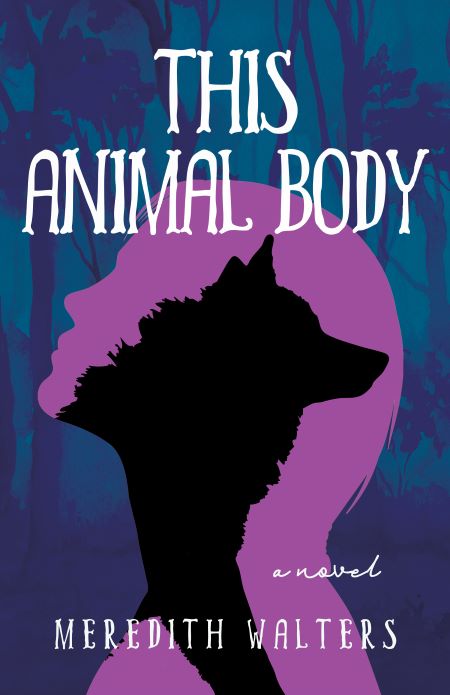
If you enjoyed this post, you might like my award-winning novel.
“Sublimely complex characters drive this story that promotes empathy for all earthly creatures.”
–Kirkus Reviews
Read the previous installment of A Wild Hunch: Ideas for Reclaiming Our Natural, Intuitive Wisdom in the Natural World
Top yellowjacket photo by Victor Grabarczyk on Unsplash